One of these cleans the air. The other tells you how dirty it is. Both are useful, but if your budget is tight, the order matters.
This guide helps you decide, and explains how to read a cheap monitor without being fooled by a single number.
- What each one does
- If you can only buy one
- How to read a cheap monitor
- Using both together
- What to look for in a monitor
- FAQ
What each one does
A purifier filters particles out of the air in a room. A monitor measures the concentration of fine particles, usually PM2.5 in µg/m³, so you can see what is going on.
If you can only buy one
If you already know haze affects your home, buy the purifier first. If you are unsure whether you have a problem, or you want to compare rooms, a monitor is a cheap way to find out. Start with purifiers by room or monitors.
How to read a cheap monitor
Treat it as a trend tool. Place it at breathing height, away from the purifier outlet, windows and the kitchen. Watch what happens when you cook, open a door or switch the purifier on. Compare it with NEA's outdoor readings to see how your home holds up.
Humidity affects optical sensors, and Singapore has plenty. If a reading looks odd, check it again later before you panic.
Using both together
Switch the purifier on and watch the number drop. If it does not, check the filter, the room size and whether doors are open. Our CADR calculator helps with the sizing question.
What to look for in a monitor
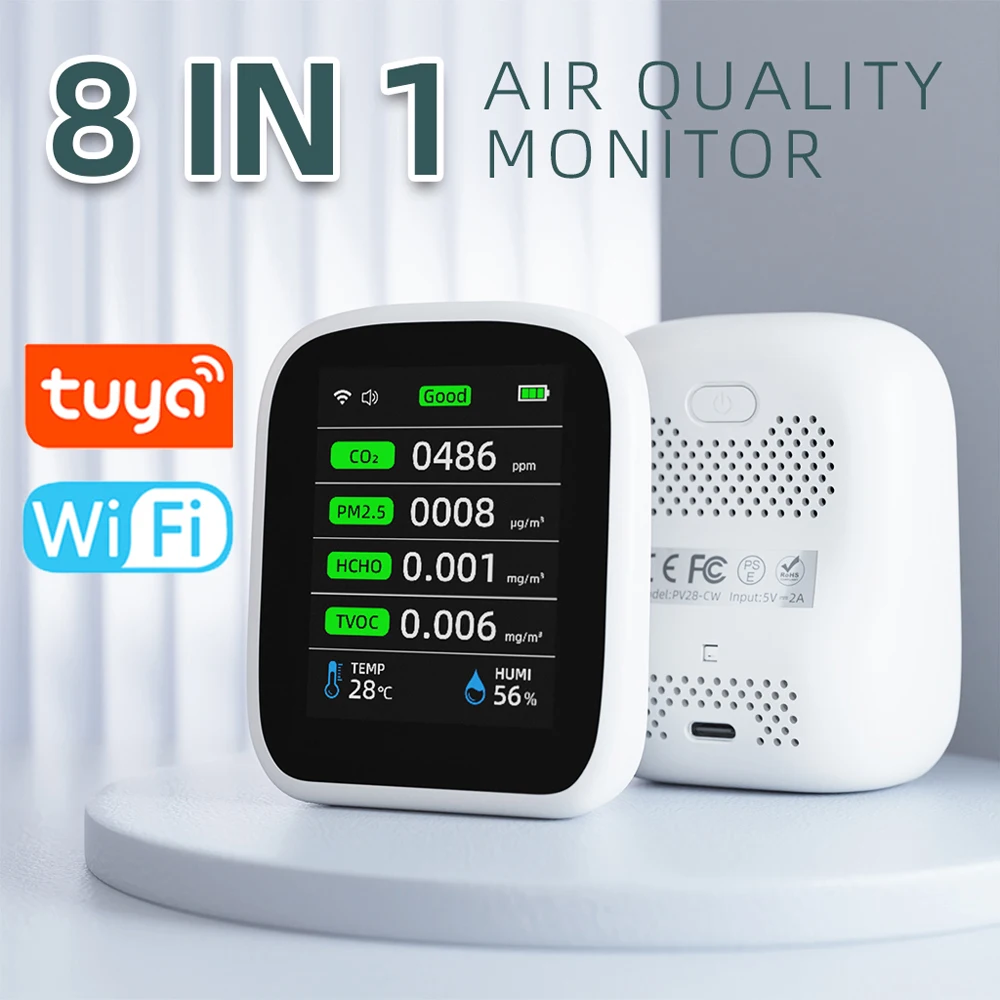
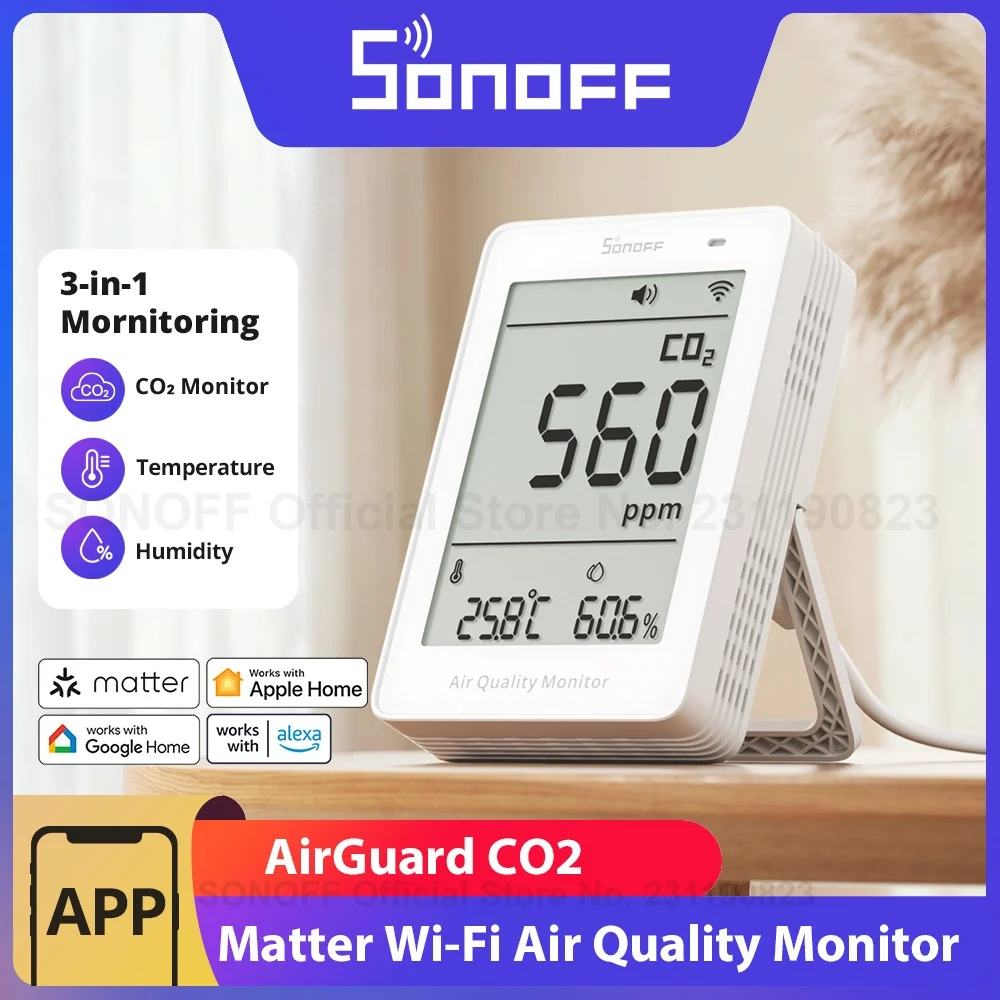
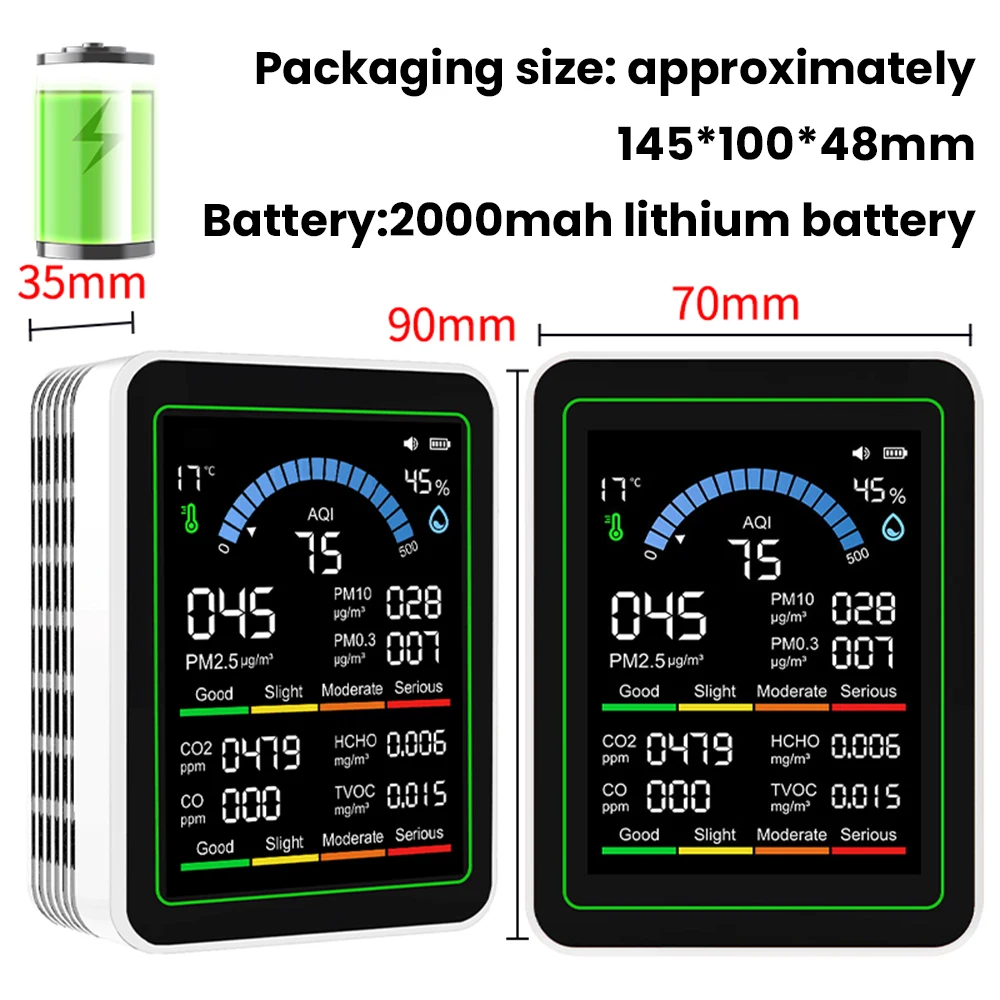
Look for PM2.5 in µg/m³ (not only a vague "AQI" colour), a readable display, and a clear power source. Formaldehyde (HCHO) and TVOC sensors measure gases, not haze particles, so they are extras rather than haze tools.
Quick answers
Are cheap PM2.5 monitors accurate?
They are good enough for trends and comparisons, less so for exact numbers. Check how the reading behaves over a few days.
Where should I put a PM2.5 monitor?
At breathing height, away from the purifier outlet, windows, steam and the kitchen.
Do HCHO and TVOC readings matter for haze?
Not directly. Haze is mostly about fine particles (PM2.5). HCHO and TVOC are gases, which are a different topic.